Heavy Earth-Moving Equipment for the Construction Industry
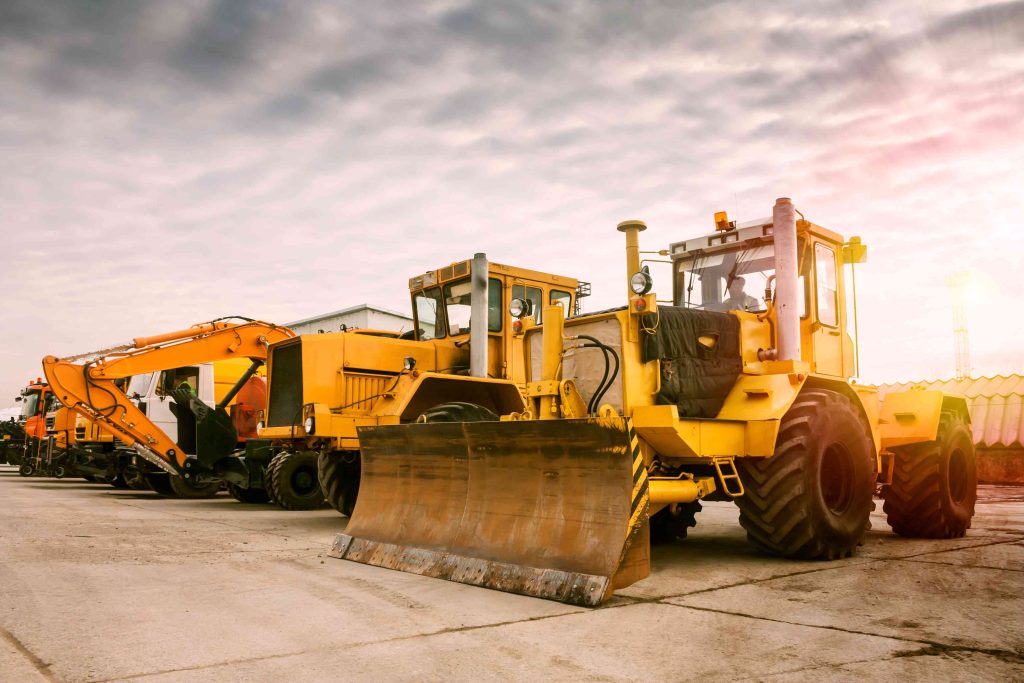
Earth-moving heavy equipment is typically comprised of large pieces of machinery such as excavators, bulldozers, dump trucks, front end loader machines, and other similar items.
When it comes to earth-moving heavy equipment for construction, what are the benefits and drawbacks to consider?
Dredging operations frequently necessitate the use of earth moving dredgers. The term 'earthmover' or 'dozer' can refer to any number of different types of construction vehicles – many of which are quite dissimilar – that all have one thing in common: they all have at least one device for moving Earth materials on board. Earth-Moving Heavy Equipment is a broad category of large machines that are used to process Earth materials and move material around a building site.
Excavation and earthmoving are two different types of work that are done with heavy equipment: grading land, digging trenches, constructing roads, driveways, and foundations are some examples. The vast majority of modern machinery that performs these tasks will be referred to as "earthmovers" or "earth moving equipment," respectively.
When it comes to land shaping, the advantages of using earth-moving heavy equipment include the following:
- they are highly productive and cover a greater area in a shorter amount of time. When compared to manual labor, mechanical labor can clear more ground in less time. When performing this type of work manually, it would be more difficult to move a large volume of earth, resulting in a lower overall level of productivity.
- Flexibility in terms of working hours and site location is provided by these companies. There are several advantages to using earth-moving equipment when it comes to working in any weather conditions. It is possible for operators to work all day if necessary without having to worry about being exposed to extreme heat or cold that could be harmful to their health.
- They are capable of carrying out difficult tasks even in difficult terrain. It is possible to clear or grade earth in places where traditional bulldozers are unable to reach with ease because earth-moving equipment is designed to withstand the most difficult terrain conditions.
- They have a well-developed public transportation system. It is possible to transport earth to any location with a sufficient supply of gravel, sand, or dirt by using this type of equipment, which is one of the advantages of doing so. A variety of special attachments, such as pipes or beams, can be added to make it more versatile in its transport capabilities.
Working with earth-moving heavy equipment has a number of disadvantages, all of which are significant:
- They are prohibitively expensive. While working with this type of equipment has its drawbacks, they can be outweighed by the benefits it provides in terms of productivity and efficiency.
- They necessitate a significant amount of maintenance and spare parts in order to function properly on the job site. It is necessary to conduct a thorough inspection of earth-moving heavy equipment before beginning work or resuming work after an extended period of inactivity.
- They have the potential to cause harm to the natural environment. When clearing or grading land in the forest, earth-moving heavy equipment is equipped with razor-sharp blades that allow it to easily cut through trees and tear down vegetation. In residential areas, this type of equipment can pose a serious threat to the local flora and fauna, especially if it is being used.
- In order to operate safely, they require specialized training and certification. Another disadvantage of working with earth-moving heavy equipment is that not everyone is capable of operating it safely. It takes extensive training and skills to operate these machines safely and without causing damage to the environment or endangering the lives of others.
As can be seen, there are both advantages and disadvantages to using this type of construction equipment in one's daily work. If used properly, it can provide benefits such as increased productivity and efficiency; however, if misused, it can cause significant environmental damage, including air pollution.
Earth-Moving Heavy Equipment for Construction Projects You Can Rely On
Earth-Moving Heavy Equipment for Construction Projects can also be used in finishing operations such as grading, shaping, sculpting, contouring, terracing, and road surfacing. Expert advice on earth-moving heavy equipment for construction is available from professionals who can help you make the best decision possible. Contact local professionals if you require any services in construction or demolition Newcastle area.
Comments
Post a Comment